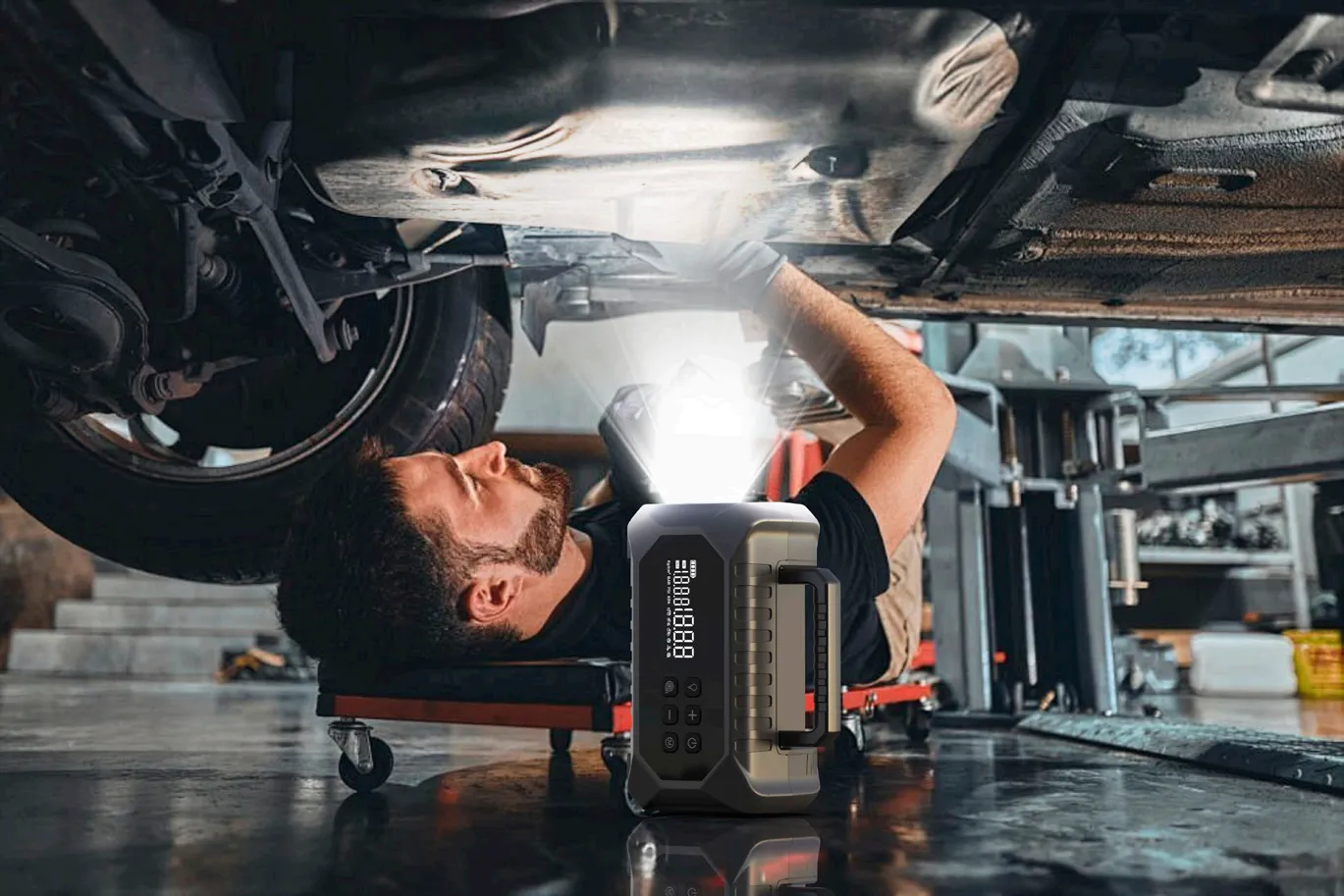
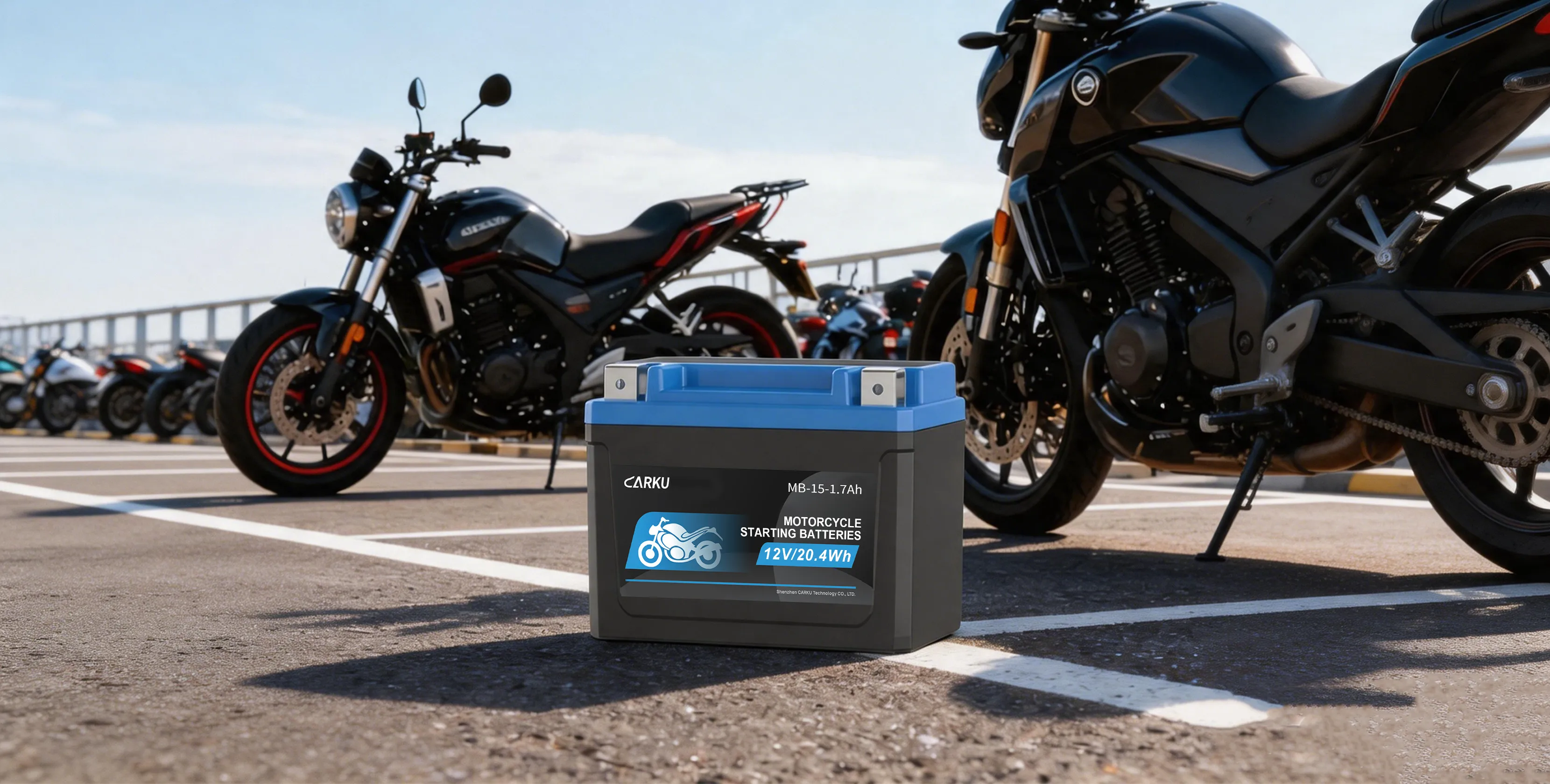
Cranking Amps (CA) cold cranking amps (CCA), and peak amps are commonly discussed topics when comparing jump starter and starting batteries. Understanding what each rating means can help you choose the right jump starter or starting battery for reliable engine starting in both normal and cold-weather conditions.
What Does a Cranking Amp Rating Actually Tell You?
Cranking amps (CA) indicate how much current a battery can make available while the starter motor is turning the engine under normal operating temperatures. In general, a higher CA rating suggests a greater ability to meet the power demand created during engine cranking.
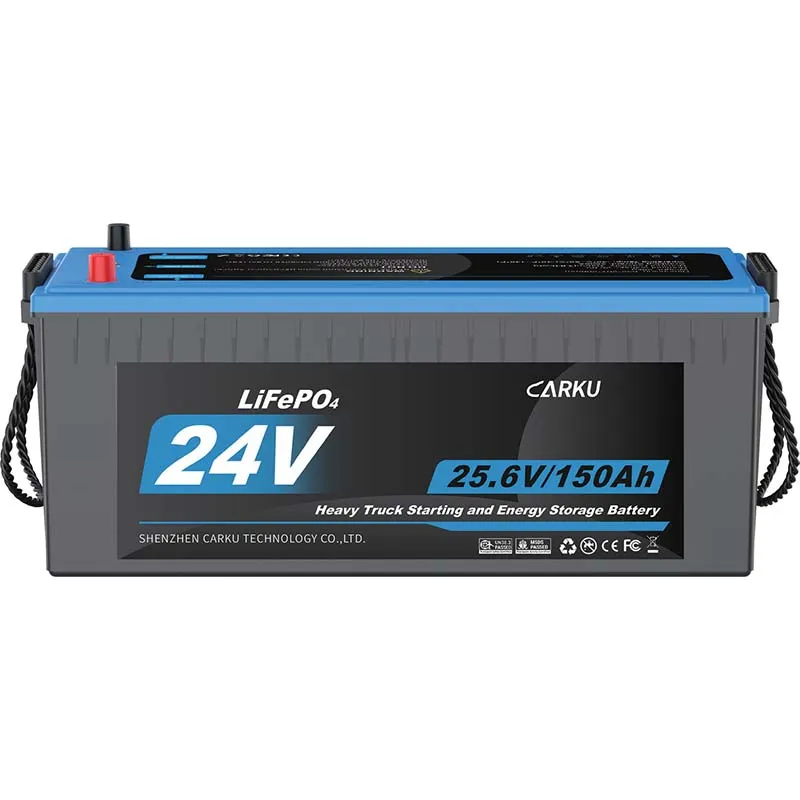
For LiFePO4 starting batteries, cranking capability is influenced by several factors, including cell chemistry, discharge rate, battery management system (BMS) design, and internal resistance. Rather than focusing solely on amp-hour capacity, manufacturers often prioritize high-rate power delivery to support demanding startup loads.
Since engine ignition requires a substantial burst of energy within seconds, cranking amps remain one of the most useful indicators when evaluating starting batteries and jump starters.
What Are Cold Cranking Amps(CA)?
Cold temperatures place additional strain on both the battery and the engine. For this reason, CCA is widely used as a benchmark for evaluating a battery's ability to deliver starting power in low-temperature conditions. As a result, a battery's CCA rating is usually lower than its CA rating.
For vehicles operating in winter climates, CCA is often considered one of the most important indicators of starting performance because it reflects how well the battery can deliver power when temperatures drop.
|
Rating
|
Test Temperature
|
Purpose
|
|
CCA(Cold Cranking Amps)
|
32°F
|
Measures normal-temperature starting performance
|
|
CA(Cranking Amps)
|
0°F
|
Measures cold-weather starting performance
|
Peak Amps vs Cranking Amps vs Cold Cranking Amps
Although these specifications are often discussed together, they measure different aspects of starting performance.
|
Specification
|
Meaning
|
|
Cold Cranking Amps(CCA)
|
Standardized measure of cold-weather starting ability
|
|
Cranking Amps(CA)
|
Current available during engine cranking under normal temperatures
|
|
Peak Amps
|
Maximum short-duration current available for a brief moment
|
Peak amps represent the highest instantaneous current that a jump starter can deliver during startup assistance. Unlike CA and CCA, which focus on sustained starting capability under standardized conditions, peak amps describe the maximum short burst of power available when the engine initially demands the highest current.
Understanding these differences helps prevent a common mistake: assuming that a larger peak amp number automatically means better overall starting performance.
Is a "7000A Jump Starter" Really Delivering 7000 Amps?
A common misconception is that a 7000A jump starter continuously delivers 7000 amps during every engine start.
The 7000A specification indicates the jump starter's ability to supply a powerful surge of energy during high-demand starting situations. This capability becomes especially valuable when cold temperatures, battery aging, or prolonged inactivity reduce the vehicle's available starting power.
A successful jump start depends on more than just the peak amp rating. The jump starter must also provide stable voltage and sufficient power throughout the starting process.
Five Factors that affect starting performance include:
These factors become increasingly important when starting larger gasoline engines, diesel trucks, buses, agricultural machinery, and construction
equipment.
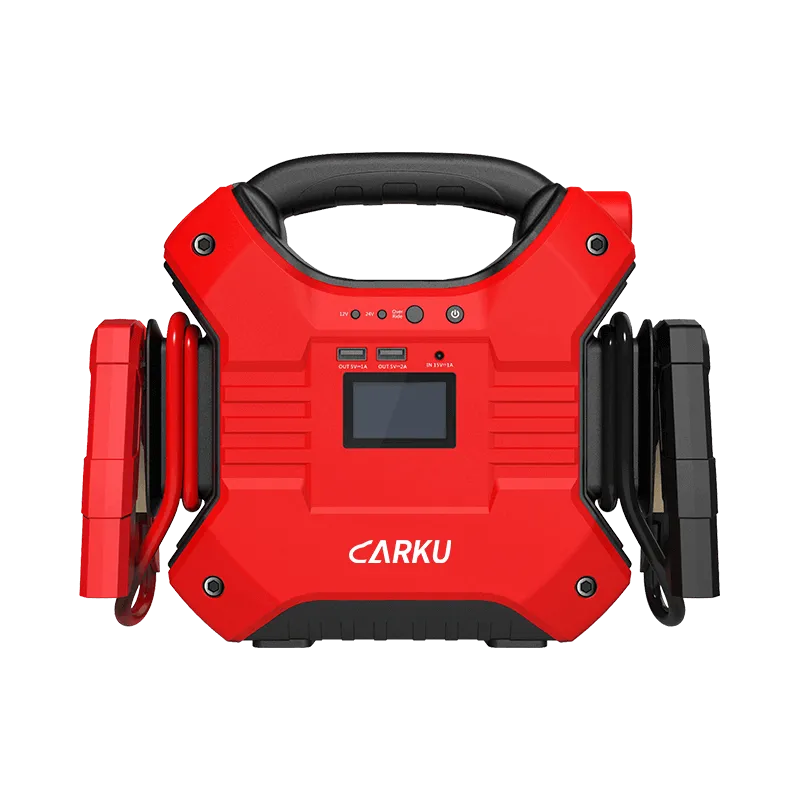
How the CARKU 7000A Heavy Duty Jump Starter Handles Large Engines?
The CARKU 7000A Heavy Duty Jump Starter is designed for professional roadside assistance, fleet maintenance, commercial transportation, and heavy
equipment applications where high starting demands are common.
Rather than relying solely on a large peak amp number, the system combines several key technologies to support reliable engine starting:
Handles High Starting Loads
The 7000A heavy duty jump starter provides a powerful burst of starting current to help restart vehicles with depleted batteries and support large-displacement gasoline and diesel engines.
One Tool for Multiple Vehicle Types
Unlike many consumer jump starters that only support 12V systems, the CARKU 7000A supports both 12V and 24V vehicles, making it suitable for
passenger cars, trucks, buses, construction equipment, and other commercial vehicles.
Performs Better in Extreme Conditions
High-discharge battery cells help deliver strong current output while maintaining voltage stability during demanding starting situations.
Extreme Temperature Operation
The jump starter is engineered to operate in temperatures ranging from -40°C to 60°C (-40°F to 140°F), helping maintain starting capability in both freezing winter conditions and high-temperature work environments.
As a result, the CARKU 7000A is built not only to provide high peak current, but also for demanding commercial starting environments where large engines require consistent energy delivery under load.
Can You Judge Starting Performance by Ah Rating Alone?
Many users assume that a battery with a higher Ah rating will automatically provide stronger engine-starting performance. In reality, amp-hour (Ah) capacity measures stored energy, while cranking amps measure the battery's ability to deliver high current during startup. A larger battery can provide longer runtime, but not necessarily greater starting power.
In Conclusion
When choosing a jump starter or starting battery, the most useful approach is to evaluate how the product performs under the conditions where it will actually be used.
CCA indicates cold-weather starting ability.
CA measures normal-temperature cranking performance.
Peak Amps represent maximum short-duration output during startup assistance.
For most users, CCA should be the primary consideration in cold climates, CA serves as a useful indicator of everyday starting performance, and peak amps should be viewed as a supplementary specification rather than the sole measure of capability.
The best jump starter is not necessarily the one with the highest advertised peak amp rating, but the one designed to provide reliable starting performance for your vehicle type, operating environment, and real-world usage conditions.







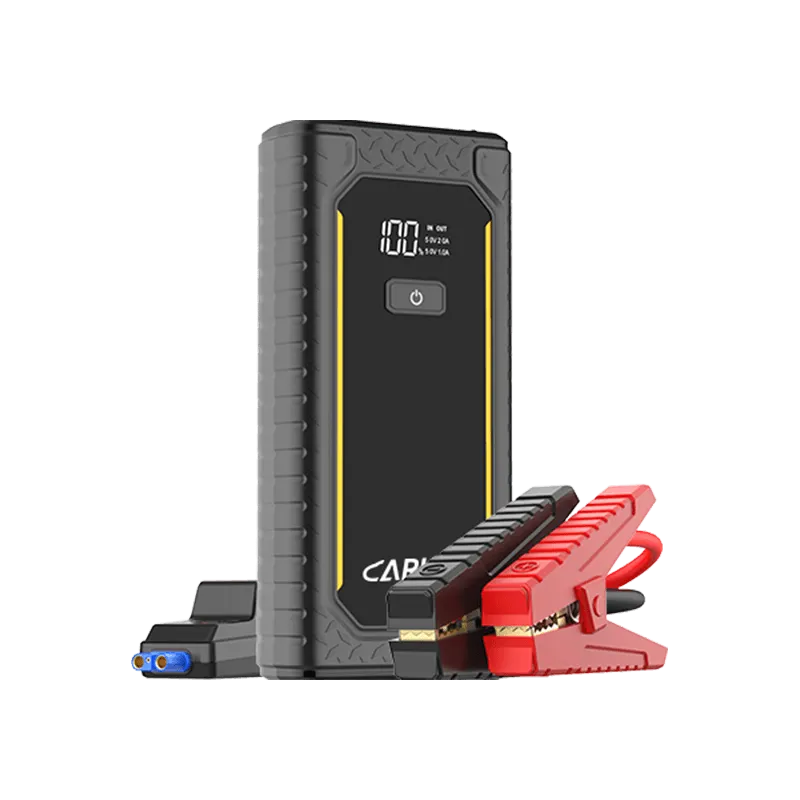
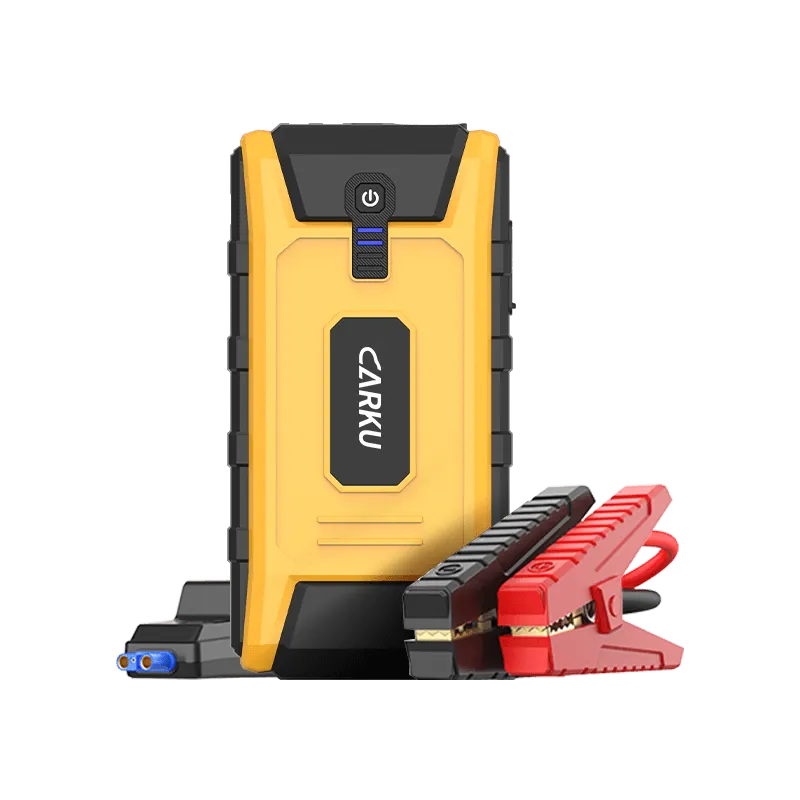
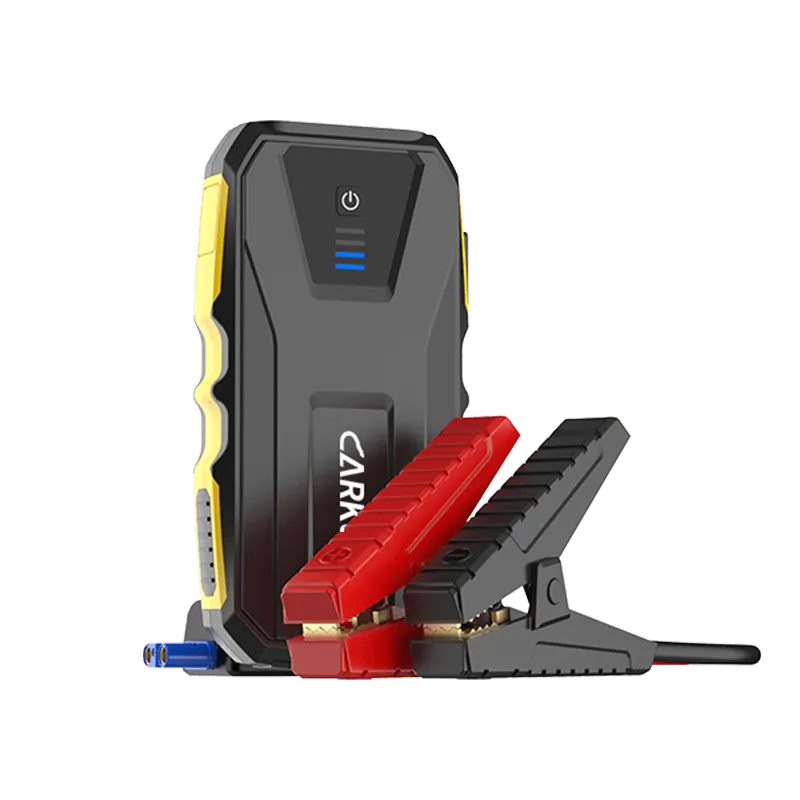
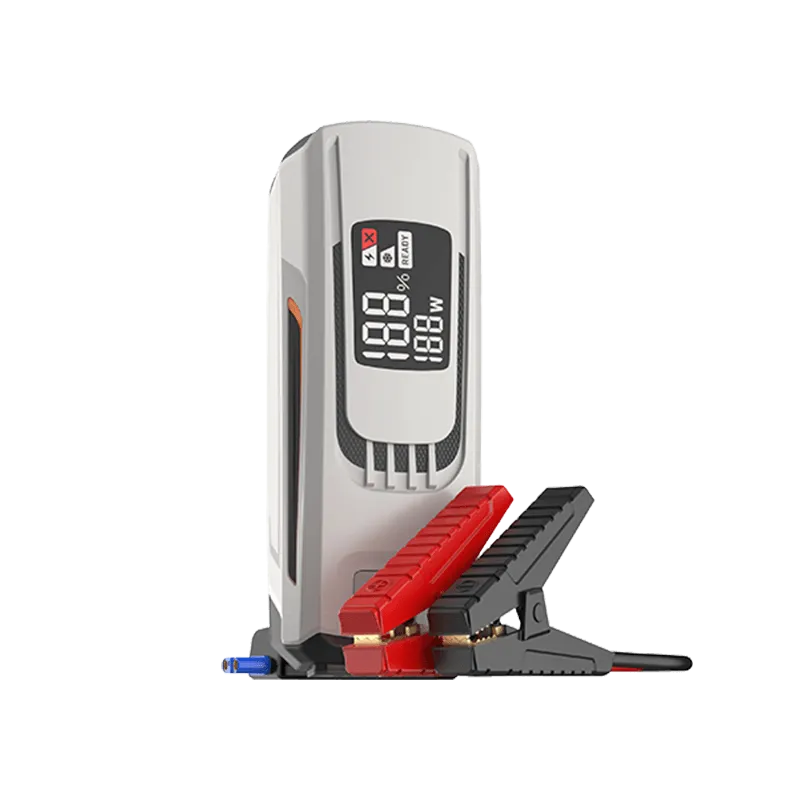







 Jump Starter ODM/OEM Solutions
 Portable Power Station ODM/OEM Solutions
 Starting Battery ODM/OEM Solutions
 ABOUT CARKU
 STRENGTH FACTORY
 THE DEVELOPMENT HISTORY OF CARKU
 CORE COMPETITIVENESS
 COMPANY CULTURE
 QUALIFICATION
 CARKU News
 CARKU Exhibitions
 CARKU Battery Applications