Many riders ask, how long does a motorcycle battery last? Lead-acid batteries typically run 3–5 years, while sodium-ion types can last 3000+ times. Temperature and climate, usage, and maintenance all play a key role in real-world lifespan.
What Is The Average Life of a Motorcycle Battery?
Understanding your motorcycle battery's expected lifespan begins with identifying the battery technology in your bike:
Lead-acid batteries typically provide 2–5 years of service life in motorcycle applications. Lithium batteries generally last 5–10 years, benefiting from higher cycle life and improved chemical stability. Sodium-ion batteries, the next generation starting battery technology, are designed to deliver 5–10 years or more of dependable service under normal operating conditions.This extended lifespan means you’ll spend less on replacements, especially if you ride frequently.
However, the actual lifespan of any motorcycle battery depends not only on its chemistry but also on how it is used and maintained. Factors such as operating temperature, charging system performance, storage conditions, riding patterns, and maintenance practices can have a significant impact on battery aging. As a result, two batteries of the same type may experience noticeably different service lives in real-world applications.
How Long Does a Motorcycle Battery Last After Charging?
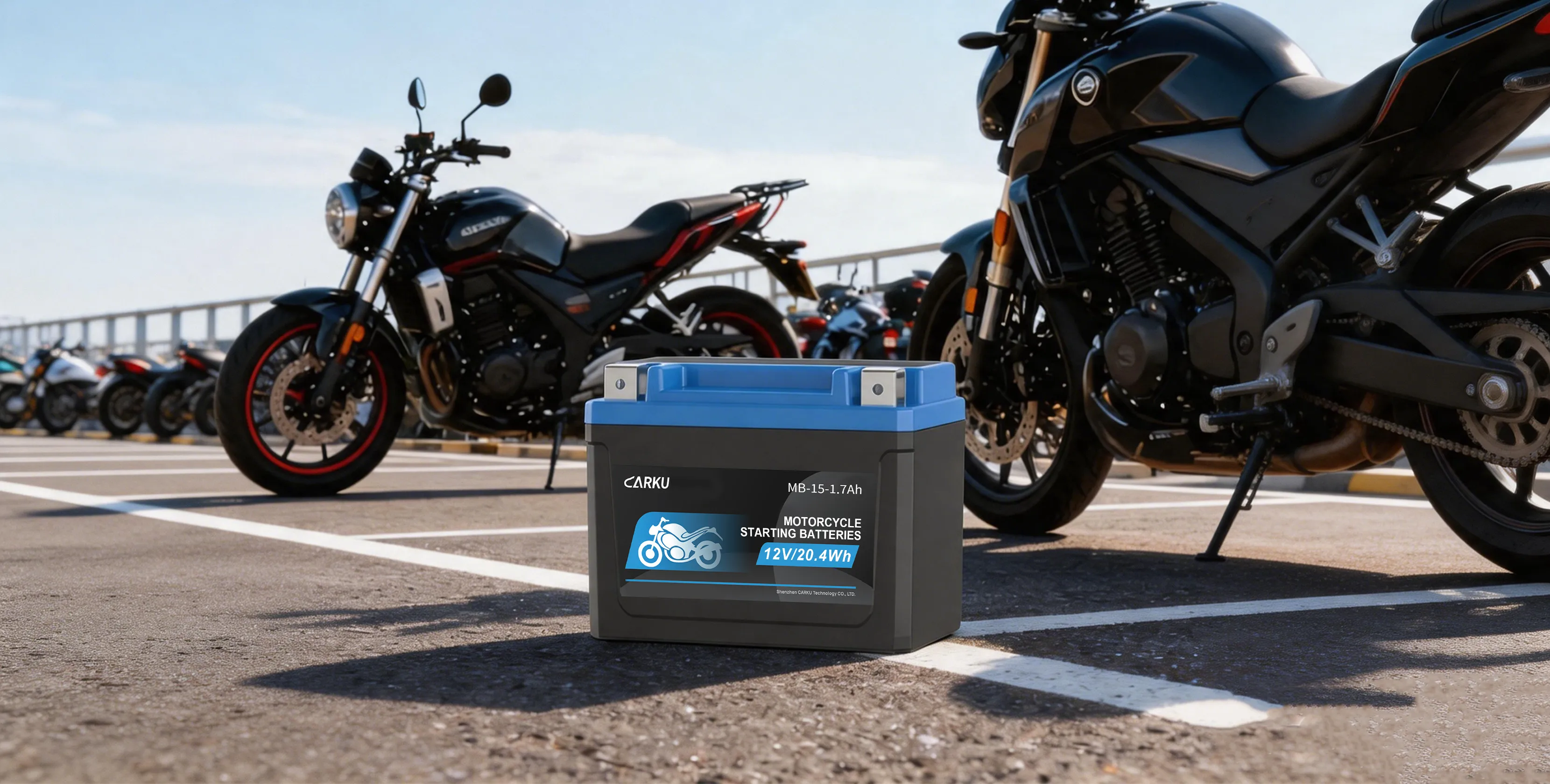
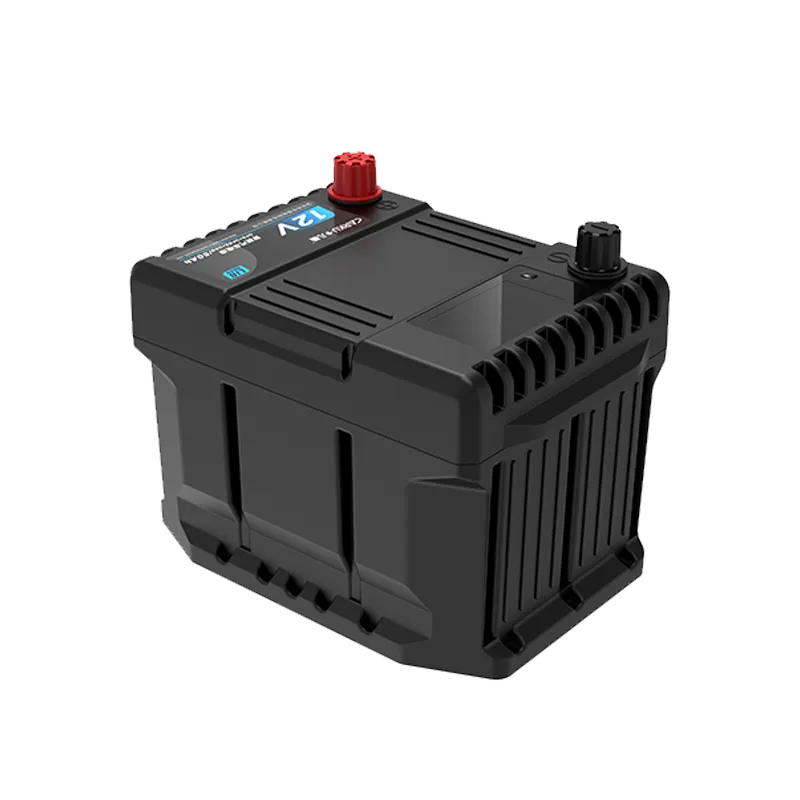
The MB-15 motorcycle battery delivers reliable performance across most motorbikes and scooters. Its advanced battery management system features multi-protection safety protocols that automatically activate during charging with compatible motorcycle battery chargers.
Three distinct phases determine your battery's performance after charging:
Phase 1: Immediately After Charging
After reaching full charge, the CARKU MB-15 sodium-ion battery enters a stable energy storage state. Thanks to its low self-discharge characteristics, the battery can retain most of its stored energy without requiring frequent maintenance charging. This helps reduce energy loss during short periods of non-use while keeping the motorcycle ready to start.
Phase 2: During Regular Riding
While riding, the sodium-ion battery works together with the motorcycle's charging system to support engine starting, ignition, lighting, and electronic accessories. Sodium-ion chemistry provides stable voltage output across a wide temperature range, helping maintain reliable performance during daily commuting and recreational riding.
Phase 3: Long-Term Storage
For motorcycles that are parked for weeks or months, battery self-discharge becomes one of the most important factors affecting starting reliability. Sodium-ion batteries naturally lose charge more slowly than conventional lead-acid batteries during storage. Combined with strong low-temperature performance, this allows the battery to remain ready for use after extended periods of inactivity, reducing the need for frequent recharging.
Table info:Battery Performance vs Charge Cycles
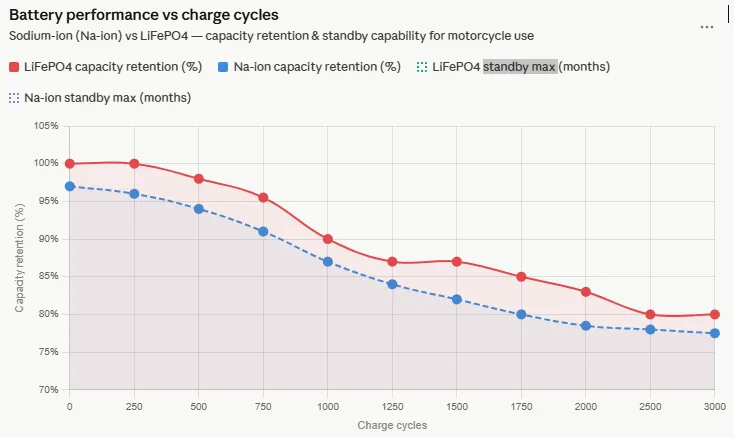
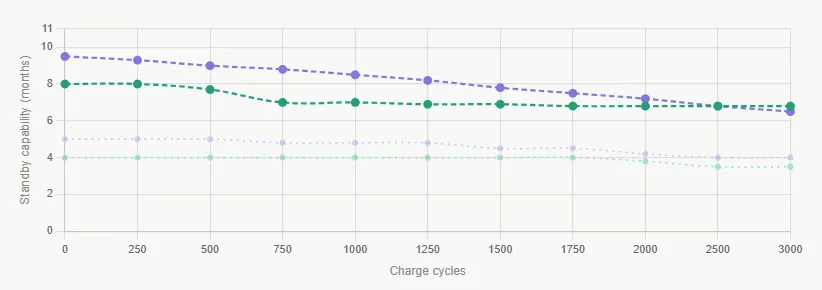
Table info: Standby Capability vs Charge
How Long Does a Motorcycle Battery Last Without Starting?
A healthy lead-acid motorcycle battery can often retain enough charge to start a bike after roughly two to three months of inactivity, although high temperatures and parasitic loads may shorten this period. LiFePO4 batteries generally self-discharge much more slowly and can remain ready for use after four to six months of storage. Emerging sodium-ion motorcycle batteries also demonstrate low self-discharge characteristics similar to lithium-based systems, making them a promising option for riders who store their motorcycles for extended periods.
While actual standby time varies by battery design and vehicle electronics, lithium and sodium-ion technologies typically retain charge longer than conventional lead-acid batteries. In addition to reducing maintenance during storage, they offer higher energy efficiency and lower weight, which can help improve overall vehicle performance.
The actual result depends on several factors, including:
Temperature and Climate: High heat speeds up chemical reactions, causing faster discharge, while cold temperatures increase internal resistance, making the battery seem weaker under load. However, lithium motorcycle batteries typically operate within a range of 0°C to 80°C, with CARKU motorcycle batteries even functioning in temperatures as low as -40°C.
Battery Age and Health: Older or poorly maintained batteries experience higher internal resistance and faster self-discharge, losing capacity more quickly than new ones. Choosing a lithium motorcycle battery means less maintenance and longer-lasting performance.
How Buying a Sodium-ion Motorcycle Battery Can Save Money In the Long Run?
When purchasing a motorcycle, the type of battery plays a significant role in determining the overall cost of ownership. While motorcycles with sodium batteries often come at a higher price initially, the long-term savings make them a smart investment for many riders.
1.Upfront Costs of Sodium vs. Lead-Acid Batteries
The initial price of a motorcycle equipped with a sodium-ion battery tends to be higher compared to one with a lead-acid battery. However, it’s important to consider that while lead-acid batteries are cheaper upfront, they require more frequent replacements and maintenance, which can add up over time. In contrast, sodium batteries last longer, meaning you’ll likely spend less on replacements in the long run.
2.Cost Efficiency Over Time
Sodium batteries are known for their longer lifespan compared to lead-acid batteries, often lasting several years longer. This extended lifespan means fewer replacements and less frequent maintenance, which can save you considerable money over the years. Though the initial investment in a sodium battery is higher, the savings on replacements and repairs make it more cost-effective in the long term.
3.Lower Maintenance Costs
In addition to a longer lifespan, sodium batteries generally require less maintenance than lead-acid batteries. They are less susceptible to issues like corrosion and sulfation, common problems with lead-acid batteries that often lead to expensive repairs. So sodium motorcycle battery have a performance savings.
4.Fuel Efficiency
Lead-acid batteries are heavier than sodium-ion batteries, and this additional weight can slightly reduce the fuel economy and responsiveness of the motorcycle or motorbike. When you use a lighter sodium battery, it can improve the motorbike's handling and fuel efficiency indirectly because of the reduced weight and more efficient energy use.
Frequently Asked Questions
1.How to know if a motorbike battery is bad?
Firstly visual check, Look for bulges, cracks, or deformed casing. Inspect terminals for corrosion or looseness. Secondly voltage test with a multimeter. Approximately 12.6V:Indicates the battery is in good health. Approximately 12.0V:Slightly undercharged. Below 12.0V:Severely depleted.
2.How to keep your motorcycle battery charged?
Store your motorcycle in a dry garage or shed to reduce moisture exposure, and keep it protected from rain and humidity. Charge the battery regularly, and use a smart charger to prevent gradual capacity loss in damp climates.










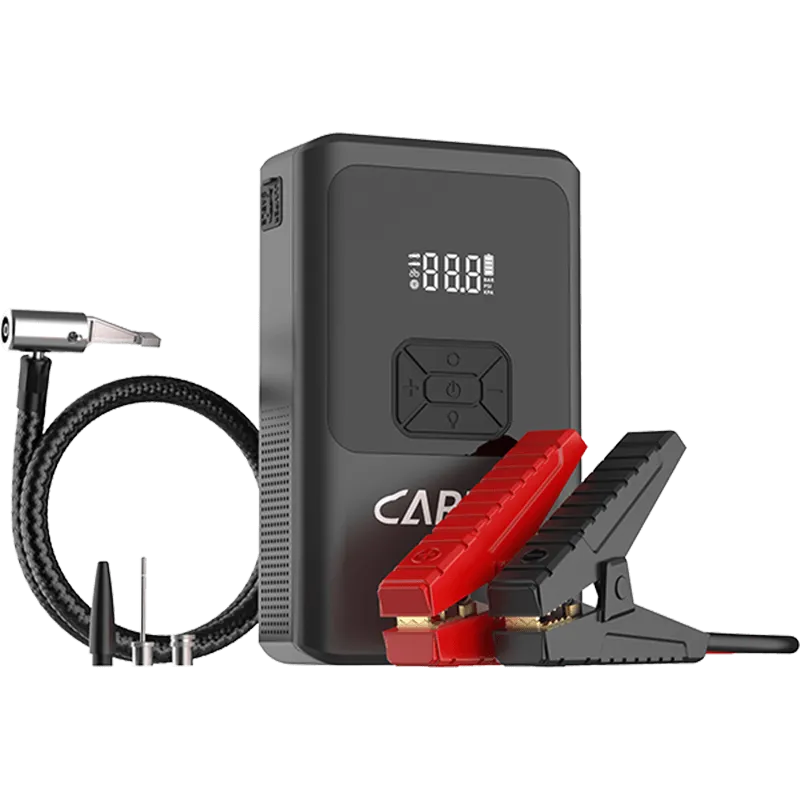








 Jump Starter ODM/OEM Solutions
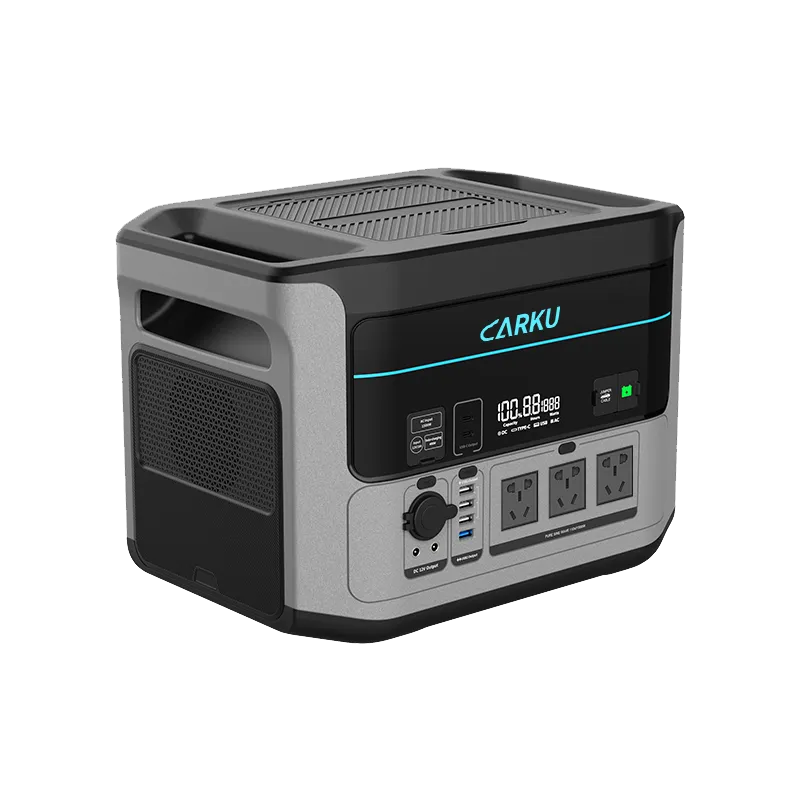
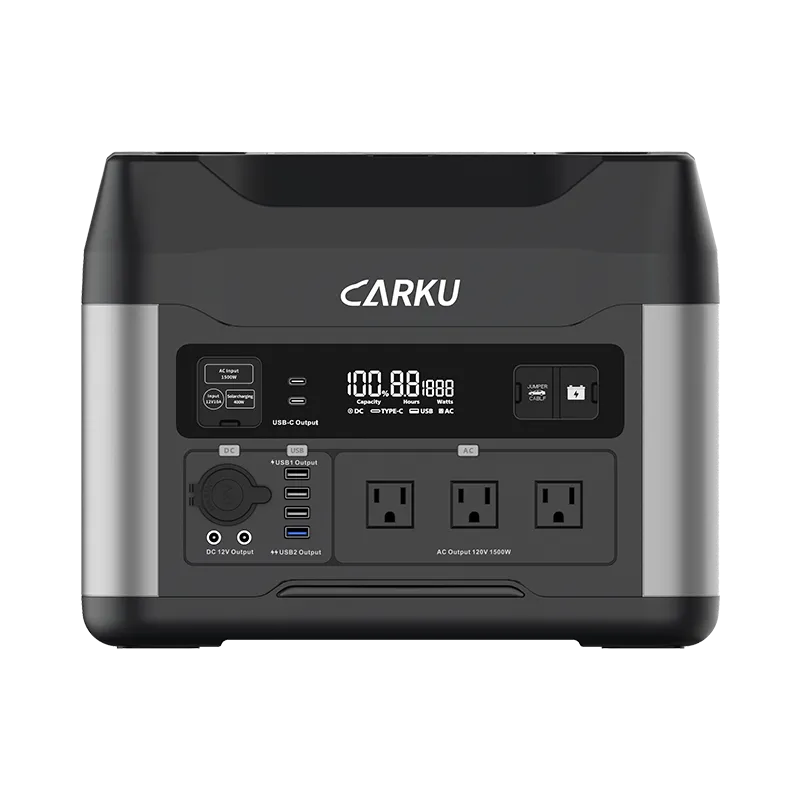
 Portable Power Station ODM/OEM Solutions
 Starting Battery ODM/OEM Solutions
 ABOUT CARKU
 STRENGTH FACTORY
 THE DEVELOPMENT HISTORY OF CARKU
 CORE COMPETITIVENESS
 COMPANY CULTURE
 QUALIFICATION
 CARKU News
 CARKU Exhibitions
 CARKU Battery Applications