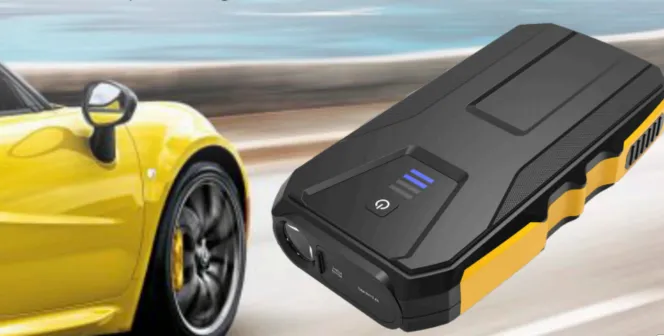
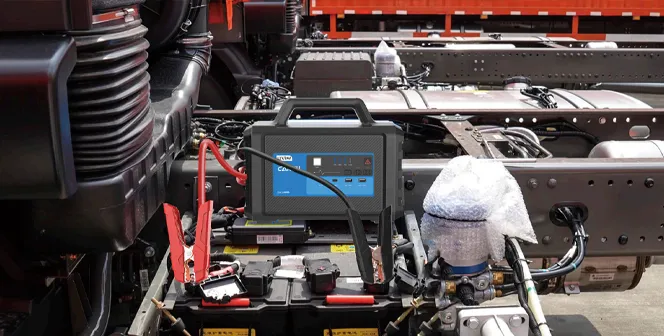
Discover why cars struggle to start in cold weather and how a portable jump starter solves the problem. Learn how to choose the right peak amps for your vehicle, compare lithium vs lead-acid options, and explore CARKU models for everyday use, wet conditions, and heavy-duty trucks.
Why Do Cars Have a Hard Time Starting in Cold Weather?
Have you ever tried to start your car on a freezing morning, only to hear the engine struggle or click without turning over? You’re not alone. Even with a fully charged battery, modern cars can have a hard time starting when temperatures drop. Here’s a simple explanation:
Short trips and frequent stop-and-go driving can leave your battery in a “sub-healthy” state. Add in the cold winter temperatures, and the battery may not provide enough power, making it hard to start your car. That’s why many people keep an emergency jump starter in the trunk, so they’re ready if their modern car suddenly won’t start. This is also why the peak current (Amps) is the most critical factor when choosing a jump starter.
Understanding Amps: How Many Amps Do You Need to Jump Start Your Car
With more new drivers on the road, having a personal emergency safety tool, such as a portable jump starter, has become increasingly important. When choosing a jump starter, start with the factors that matter most to your everyday driving.
· Driving habits — If you often take short trips or deal with stop-and-go traffic, your battery may not fully recharge, so prioritize a model that delivers reliable peak amps.
· Climate conditions — In cold weather, battery output drops significantly, so consider a jump starter capable of handling low-temperature starts.
· Vehicle type and engine size — Match the peak amp rating to your car or truck; larger engines require more power, while smaller vehicles need less.
Different types of vehicles require different amounts of power to start reliably:
· Small cars and compact vehicles generally need moderate amps, typically around 400–600A, which is sufficient for everyday engines under normal conditions.
· Mid-size cars and SUVs require more power, usually 600–800A, to handle larger engines and additional electrical loads. In colder climates, this higher range ensures reliable starts.
· Large vehicles, light-duty trucks, and diesel engines often need 1000–1500A or more to provide the strong surge of current necessary for starting.
· Commercial heavy-duty vehicles may require 2000–3500A, especially in extreme cold, and jump starters for these vehicles can support both 12V and 24V systems.
Many people mistakenly assume that a higher battery capacity always means better starting performance — but this isn’t the case.For a full explanation of this common misconception, refer to our guide on jump starter amps explained.
How a Portable Jump Starter Solves the Problem
Some online discussions, like user experiences on REDDIT, suggest that portable lithium�ion jump starters may lose their battery capacity after a few years. While this can happen in certain budget models or due to improper storage, the chemistry of lithium batteries actually provides a much longer lifespan than traditional lead-acid units.
Comparing the two technologies:
Lithium-ion (Li-ion / LiFePO4) jump starters are lightweight, compact, and maintain high peak amps for a long time. Their cycle life typically ranges from 1000 to 3000 full charge/discharge cycles, and they have low self-discharge rates, making them ideal for emergency use even after years of storage.
Lead-acid jump starters are heavier and bulkier but allow battery replacement. Their cycle life is much shorter, usually 300–500 cycles, and they are more sensitive to deep discharges and cold weather.
In practice, a well-designed portable lithium jump starter not only provides convenience and high power for modern vehicles but also lasts longer than most lead-acid alternatives, despite REDDIT anecdotes suggesting otherwise.
Choosing the Right Jump Starter: Tips from CARKU Models
Selecting the right jump starter isn’t just about peak amps — it’s about matching the device to your vehicle, driving habits, and operating environment.
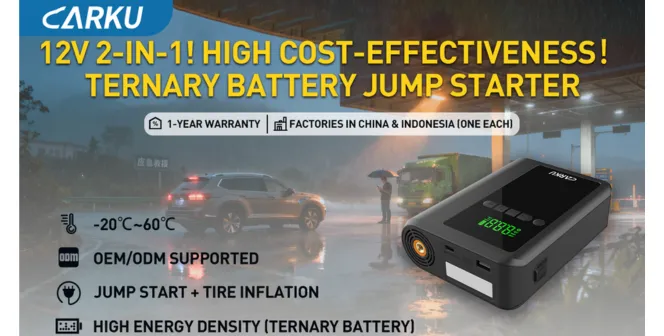
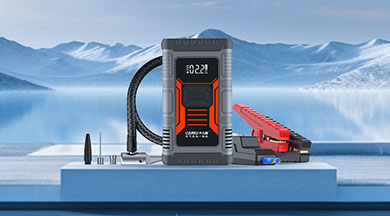
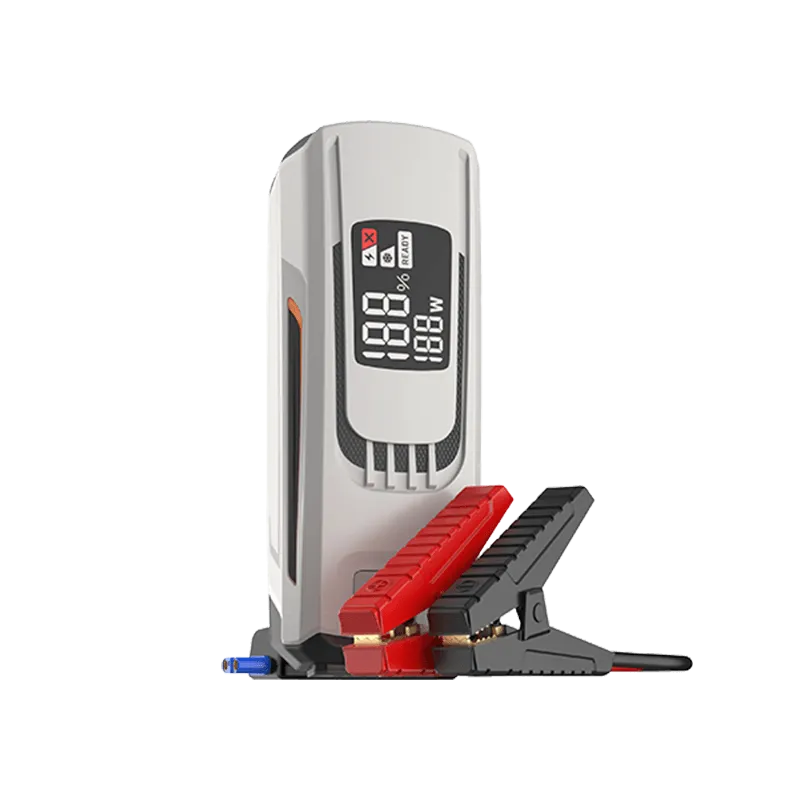
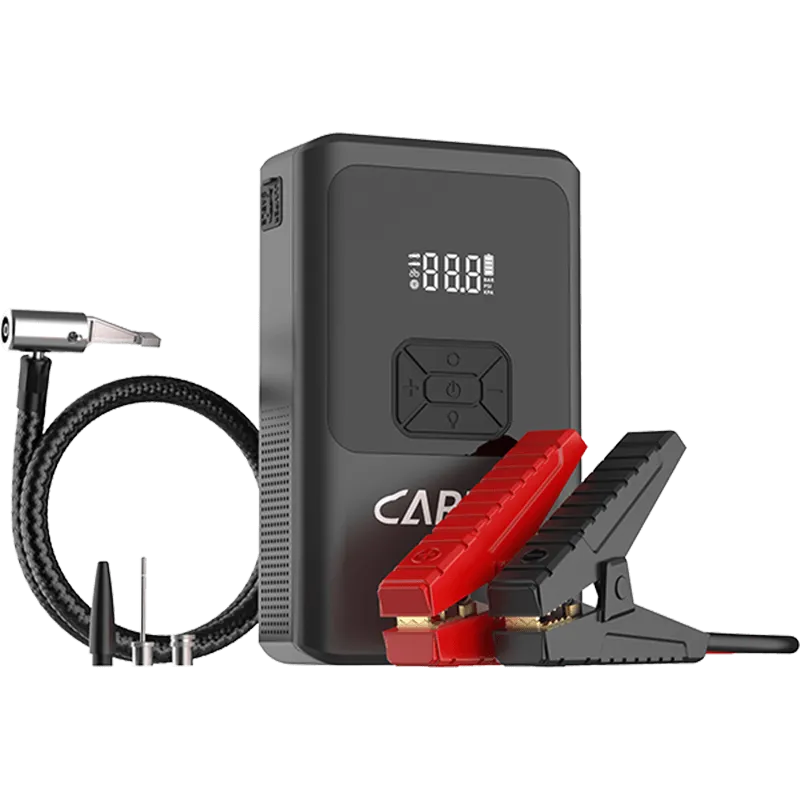
1.For everyday commuters and city drivers, a compact, multi-function model with moderate amps, such as the CARKU JS558, delivers reliable starts for most passenger cars and SUVs while offering extra tools like a tire inflator and LED lights.
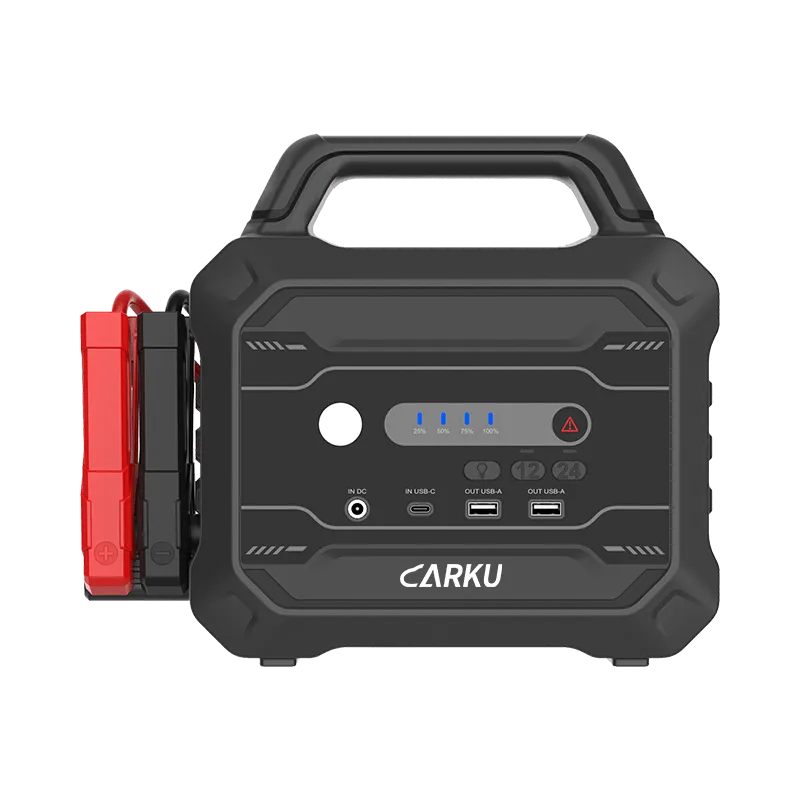
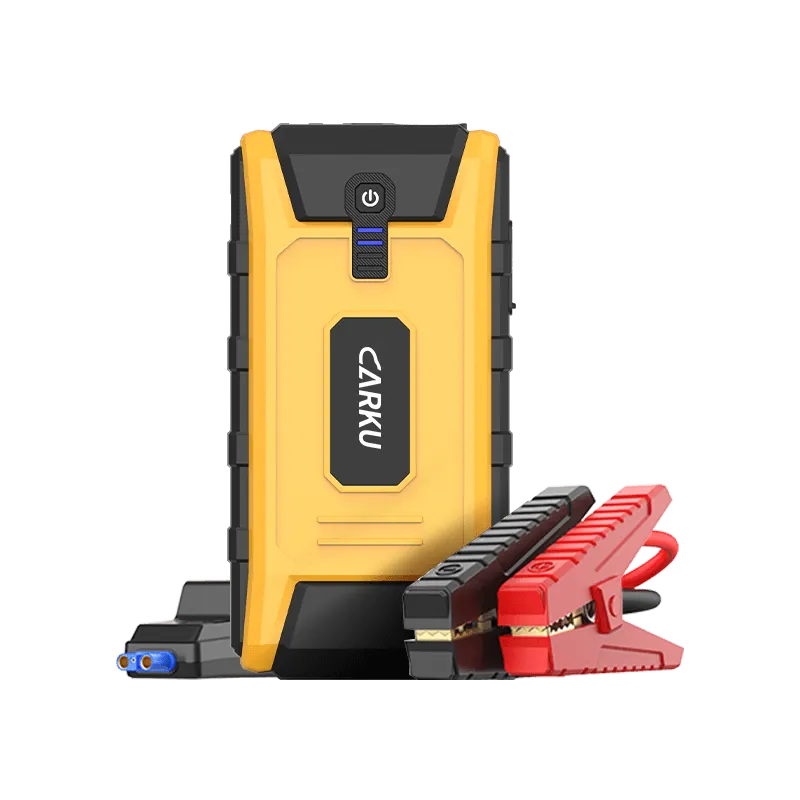
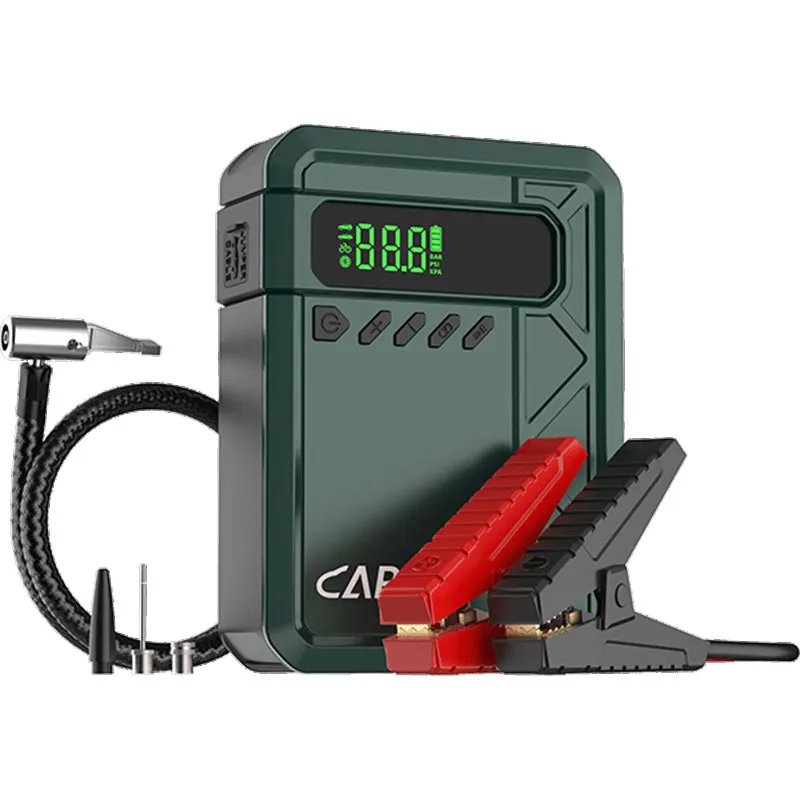
2.For those who drive in rain or wet conditions, a water-resistant or waterproof model provides added safety. The CARKU JS535, for example, features enhanced splash protection, ensuring reliable performance even in damp environments.
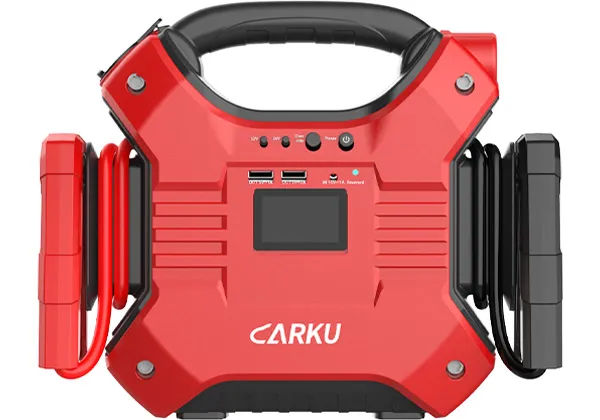
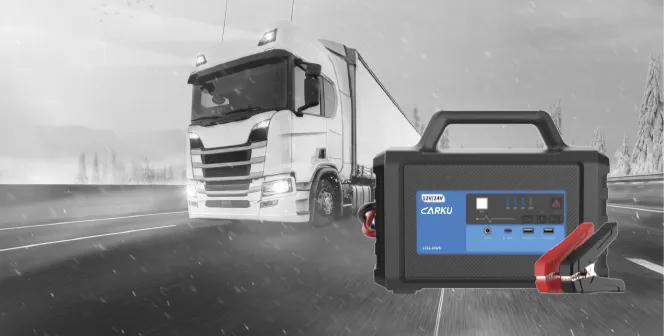
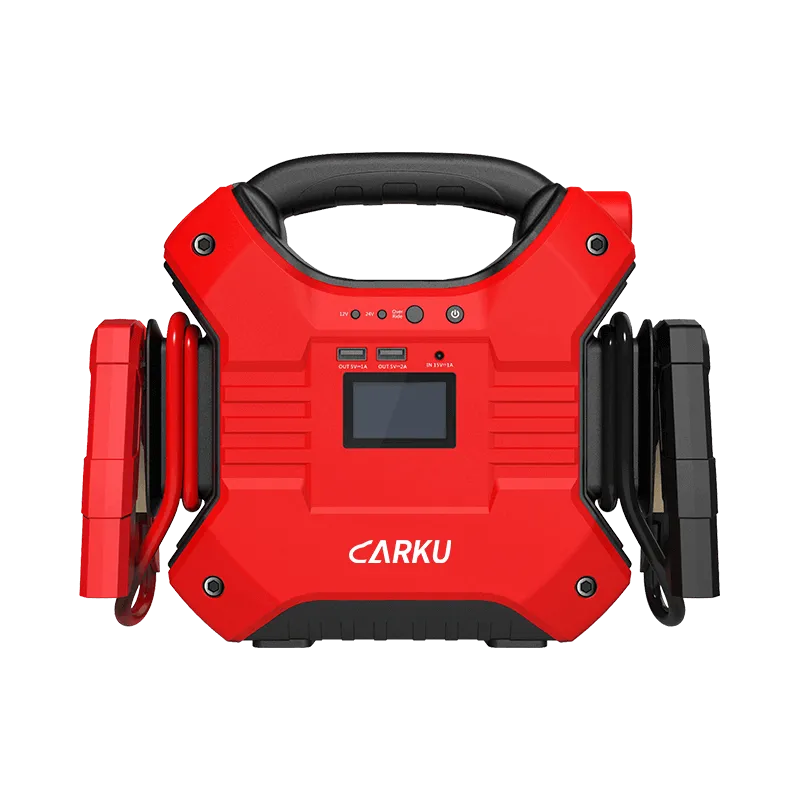
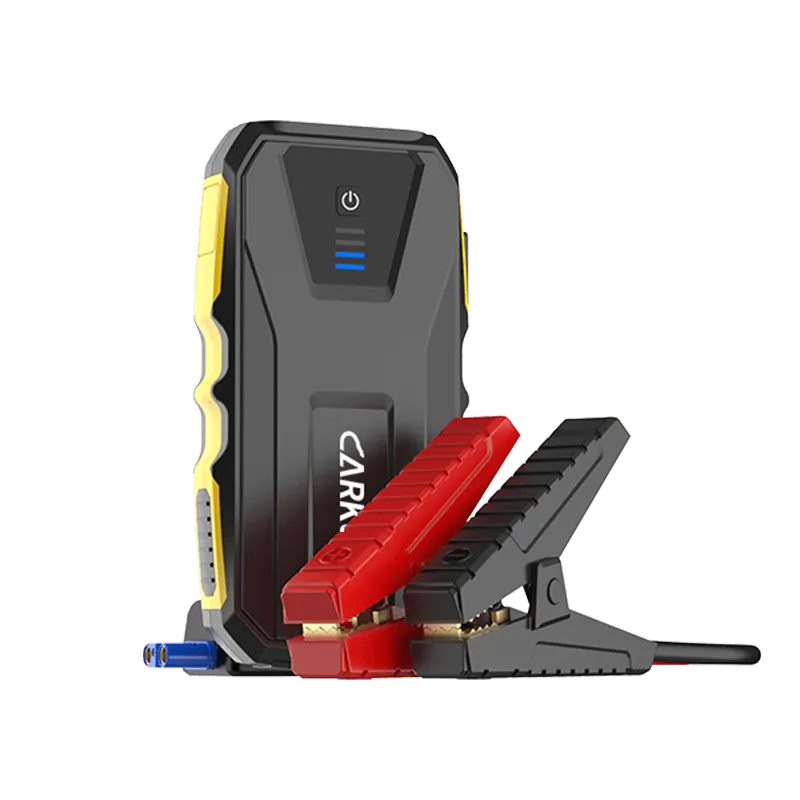
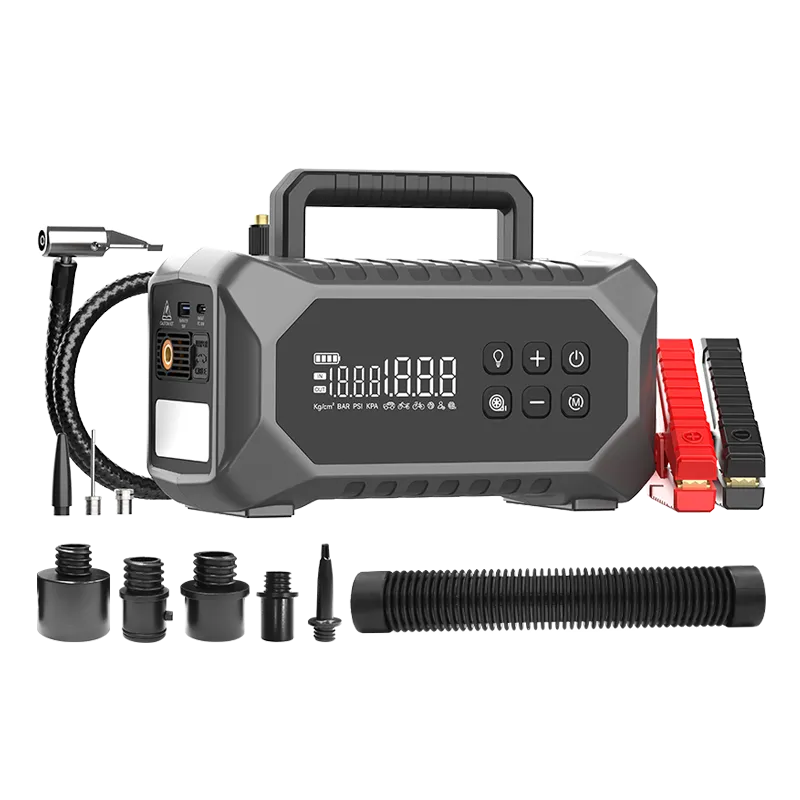
3.For heavy-duty vehicles or extreme conditions, peak amps alone aren’t enough. The CARKU JS396 is designed for commercial trucks, large diesel engines, and challenging temperatures, providing the high surge current and durability required for dependable starts.
Comparing Jump Starters: What Makes CARKU Stand Out
CARKU JS558 vs NOCO AX65
In real-world tests, the high-amp, multi-function JS558, demonstrated strong performance for both jump-starting and tire inflation compared with the NOCO AX65 series. Its combination of high power and practical features offers excellent value, even against higher-priced alternatives.
For drivers seeking more than basic jump-starting, the JS558 integrates multiple roadside tools in a compact package: high peak amps for quick battery starts, a 150 PSI air compressor for tires, USB charging ports, and smart LED lights. This makes it a versatile, reliable solution for everyday driving and emergency situations.
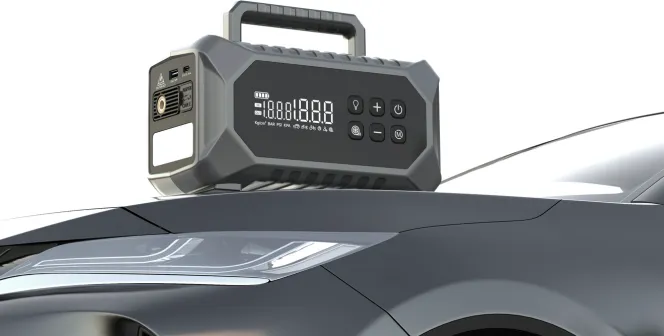
Water-Resistant Option — CARKU JS535
For rainy or wet conditions, a water-resistant jump starter ensures safe operation. The JS�535 features enhanced splash protection, allowing reliable performance in light rain or damp environments, making it ideal for drivers in wet climates.
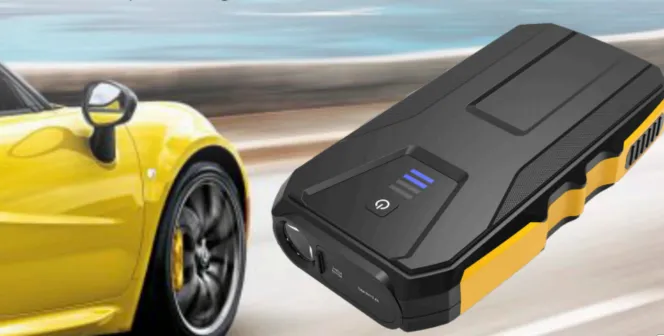
Heavy-Duty Truck Jump Starter — CARKU JS396
The JS396 is designed for heavy-duty vehicles, commercial trucks, and extreme conditions. With 8000 A peak current and a 352 000 mAh high-capacity battery, it can crank large diesel engines and 24 V systems that standard jump starters cannot handle. Rated for �40 °C to 60 °C, it provides dependable performance in extreme temperatures.
Compared with other heavy-duty models like Lokithor 4000 A, Truck PAC ES1224 (3000 A), or SIP Pro Booster 6400 A, the JS�396 offers higher peak amps, larger capacity, and superior thermal tolerance, giving extra headroom for very large engines and repeated cold starts. Its rugged build and long cycle life make it a reliable choice for fleet operators and professional drivers, distinguishing it from competitors with lower durability or lifespan.
In Conclusion
Cold weather and sub-healthy batteries can make even modern cars hard to start, but a portable jump starter provides a fast, independent solution. Understanding peak amps and matching the device to your vehicle type, driving habits, and climate ensures reliable starts every time. Whether you choose a lightweight lithium model for daily commuting, a water-resistant option for wet climates, or a heavy-duty jump starter for trucks and diesel engines, the right device combines power, convenience, and safety. CARKU’s range offers versatile solutions with additional features like air compressors, USB charging, and LED lights, making them ideal for both everyday use and emergencies.







 Jump Starter ODM/OEM Solutions
 Portable Power Station ODM/OEM Solutions
 Starting Battery ODM/OEM Solutions
 ABOUT CARKU
 STRENGTH FACTORY
 THE DEVELOPMENT HISTORY OF CARKU
 CORE COMPETITIVENESS
 COMPANY CULTURE
 QUALIFICATION
 CARKU News
 CARKU Exhibitions
 CARKU Battery Applications